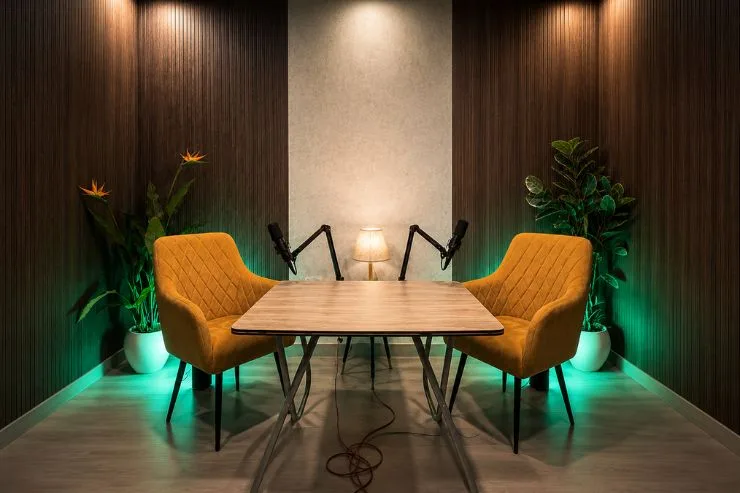
When building a flagship podcast or video studio, two iconic microphones dominate the conversation: the Shure SM7B and the Electro-Voice RE20. Both are legendary dynamic microphones that have defined FM radio, broadcast television, and high-budget podcasting for decades.
However, despite sharing a dynamic capsule design, they sound noticeably different in real-world studio environments. In this guide, we break down tone profiles, proximity effect, gain requirements, and ideal vocal pairings to help you choose the right mic for your production.
1. Sound Signature & Tone Characteristics
The Shure SM7B is famous for its warm, smooth, radio-style low-end boost and flat, unhyped midrange. It excels at smoothing out harsh, sibilant voices and adding weight to thinner vocals. However, it requires proper EQ boost in the upper frequencies (3kHz–6kHz) if you want modern crispness.
The Electro-Voice RE20, on the other hand, features EV’s patented Variable-D technology. This virtually eliminates proximity effect — meaning your voice retains a natural, balanced tone even if the host moves closer or further away from the capsule during an energetic discussion.
"If your podcast involves animated guests who constantly shift around in their chairs, the RE20’s Variable-D technology keeps audio levels flat and natural without muddy bass spikes."
2. Gain Requirements & Preamp Pairing
One critical factor beginners often overlook is gain. The Shure SM7B is notoriously gain-hungry, requiring at least +60dB of clean gain to reach optimal recording levels without introducing background hiss. You will almost certainly need an inline preamp boost like a Cloudlifter CL-1 or FetHead, paired with an interface like the Rodecaster Pro II or Universal Audio Apollo.
The RE20 is slightly more sensitive, requiring around +52dB to +55dB. While it still benefits from clean preamps, it is generally less demanding on mid-range audio interfaces.
Quick Comparison Summary
- Shure SM7B: Best for warm, cinematic broadcast vocals, sibilance control, and dedicated studio pods with inline preamps.
- Electro-Voice RE20: Best for natural vocal reproduction, active hosts who move while speaking, and broadcast journalism.
- Winner for Video Podcasts: The SM7B’s sleek black aesthetic often wins visual favor on 4K camera rigs!
3. Final Verdict
At PODCASTSTUDIOS, we equip our main recording rooms with both microphone models. If your show leans toward conversational storytelling with a rich bass tone, go with the SM7B. If you host fast-paced multi-guest panels with varying mic technique, the RE20 remains an unbeatable workhorse.